
If you’re learning blues piano, understanding the difference between the D major scale and the D blues scale is essential. While both scales start on the same root note (D), they create completely different moods, sounds, and playing styles.
In this guide, we’ll break down both scales, compare their notes, and show you how to actually use them in your blues and boogie woogie playing.
What Is the D Major Scale?
The D major scale is a traditional “happy sounding” scale used in many styles of music, including pop, classical, and even some lighter blues.
Notes in the D Major Scale:
D – E – F# – G – A – B – C# – D
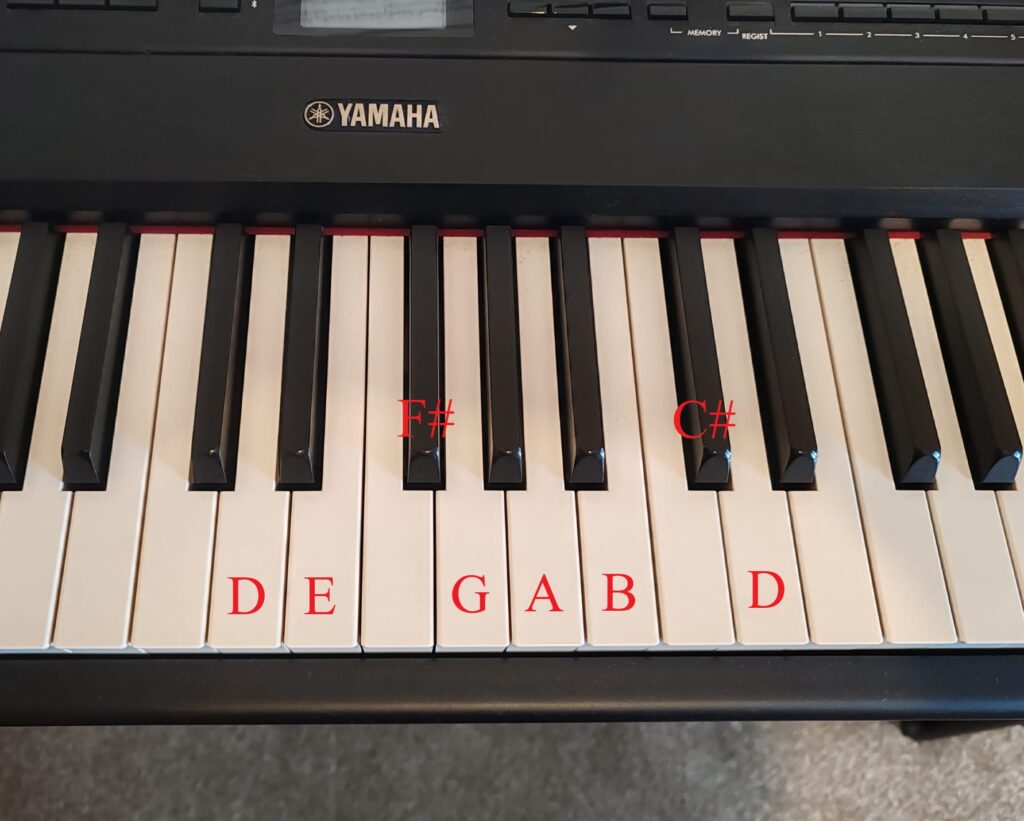
Formula:
Whole – Whole – Half – Whole – Whole – Whole – Half
Sound:
The D major scale sounds bright, clean, and melodic. It’s great for:
- Melodic fills
- Intro sections
- Adding contrast in blues pieces
However, on its own, it doesn’t give you that gritty blues feel.
What Is the D Blues Scale?
The D blues scale is where things start to sound more expressive and “bluesy.”
Notes in the D Blues Scale:
D – F – G – Ab – A – C – D
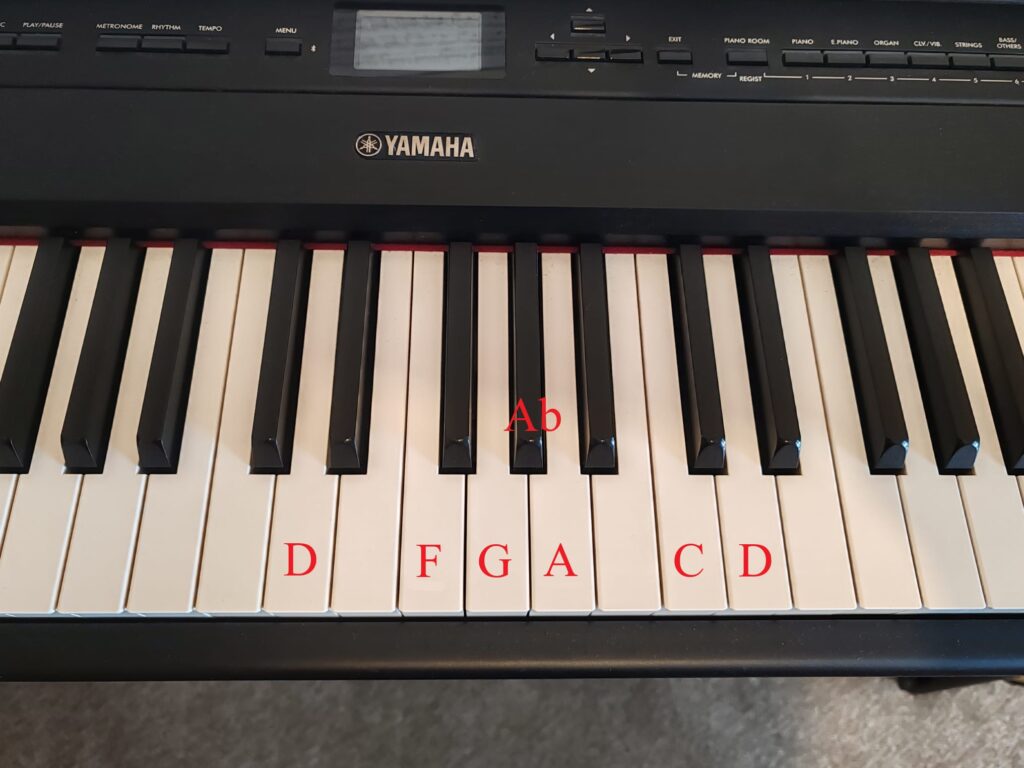
What Makes It “Blues”?
The key difference is the presence of blue notes, especially:
- F (minor 3rd)
- Ab (flattened 5th / “blue note”)
- C (minor 7th)
These notes create tension, grit, and emotional depth.
Sound:
- Gritty
- Soulful
- Expressive
- Perfect for improvisation
Key Differences: D Major Scale vs D Blues Scale
| Feature | D Major Scale | D Blues Scale |
|---|---|---|
| Notes | D E F# G A B C# | D F G Ab A C |
| Mood | Bright, happy | Dark, expressive |
| Style | Classical, pop | Blues, jazz, boogie |
| Key Notes | F#, C# | F, Ab, C |
| Use | Melody & structure | Improvisation & riffs |
How to Create a Blues Sound (With Simple “Pitch Bends” on Piano)
One of the most important parts of blues piano isn’t just which notes you play, but how you play them.
Unlike guitar, you can’t physically bend notes on a piano — but you can create the illusion of bending using fast slides between notes.
A Simple Blues Trick: Sliding Into Notes
In the D blues scale, two of the most expressive notes are:
- A♭ (the “blue note”)
- G
- A
To create a bluesy “bending” effect, try this technique:
Example 1: A♭ to A Slide
(Picture: Keyboard showing A♭ and A highlighted)
Instead of playing A♭ and A separately, try:
- Quickly playing A♭ → A
- Almost like a fast flick or roll between the two keys
This creates a wailing, bending sound similar to blues guitar phrasing.
Example 2: G to A♭ Slide
(Picture: Keyboard showing G, A♭, and A highlighted)
Another powerful sound is:
- Sliding G → A♭
- Or even G → A♭ → A
This gives a tension-filled, crying effect commonly used in blues improvisation.
Why This Works
These notes sit very close together on the keyboard, which allows you to:
- Create expressive movement instead of static notes
- Add emotion and “voice-like” phrasing
- Make simple scales sound far more musical and professional
Pro Tip for Blues Feel
Don’t just play scales straight up and down.
Instead:
- Add slides into key notes (especially A♭)
- Repeat short patterns
- Emphasise rhythm over speed
(Picture: Short lick example using D–F–G–A♭–A with arrows showing movement)
Key Differences (In Real Musical Terms)
The biggest shift is this:
- D Major uses F#
- D Blues uses F natural
That single change completely alters the emotional feel.
The same applies to:
- C# (major scale) vs C (blues scale)
These “flattened” notes are what give blues its signature sound.
(Picture: Side-by-side comparison of F# vs F on the piano keyboard)
How to Use Both Scales Together
Great blues and boogie woogie players don’t just stick to one scale — they blend both.
Example Approach:
- Use D major scale for:
- Smooth runs
- Intro passages
- Right-hand melodies
- Use D blues scale for:
- Improvisation
- Riffs
- Turnarounds
- Emotional emphasis
(Picture: Keyboard showing both scales combined with highlighted differences)
Simple Practice Exercise
Try this:
- Play the D major scale ascending and descending
- Then play the D blues scale
- Now alternate between them:
- Start with D major
- Switch to blues mid-phrase
(Picture: Highlighted keys showing a short example phrase switching between scales)
You’ll immediately hear how the mood changes.
Why This Matters for Boogie Woogie Piano
Boogie woogie is built on rhythm and groove — but the magic comes from note choice.
- The major scale keeps things musical and structured
- The blues scale adds attitude and personality
Mastering both gives you:
- Better improvisation
- More interesting solos
- Authentic blues sound
Final Thoughts
If you only learn one scale, you’ll sound limited.
But when you understand the difference between the D major scale and the D blues scale, you unlock a much wider musical vocabulary.
Think of it like this:
- Major scale = clarity
- Blues scale = emotion
And blues piano needs both.
Leave a Reply